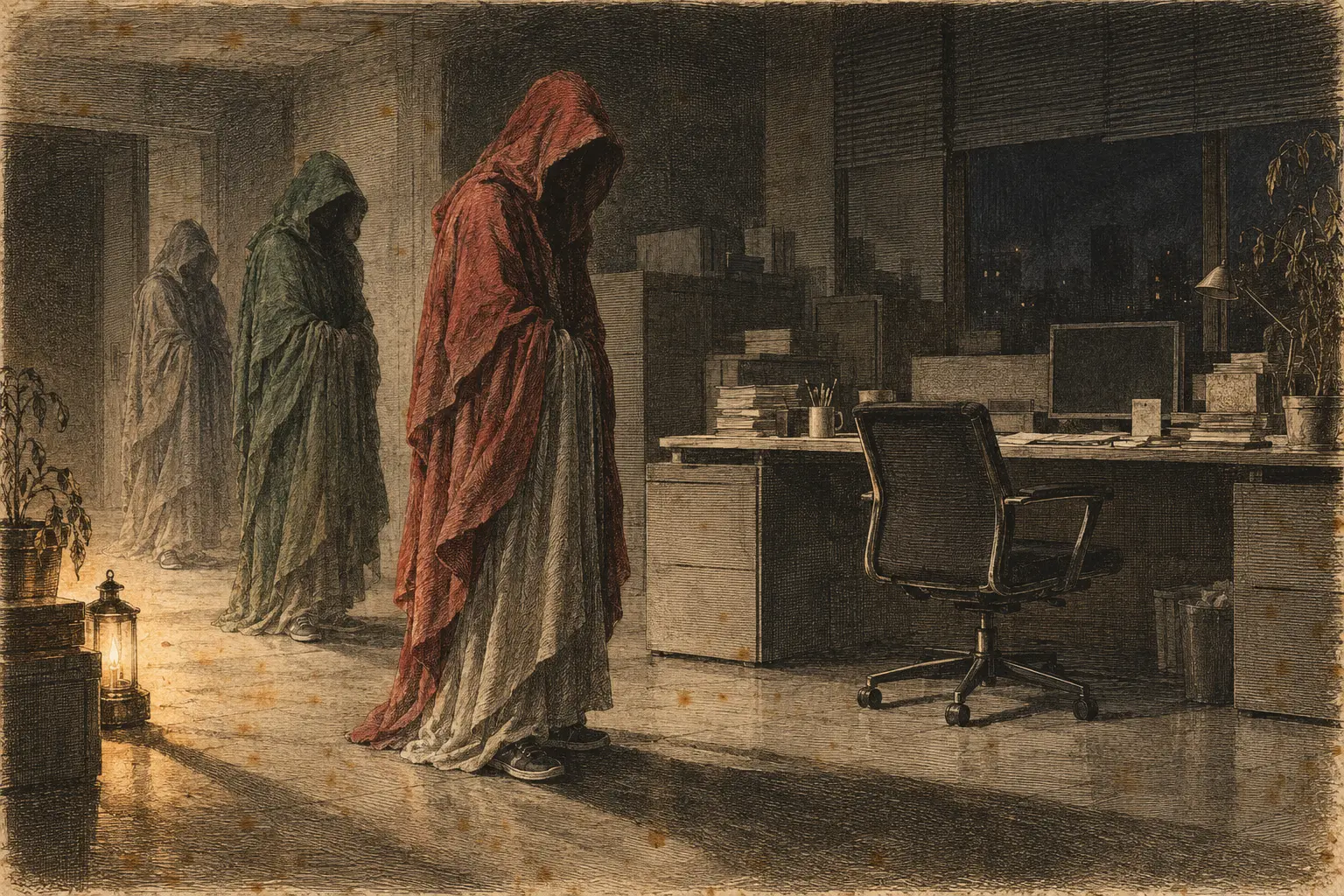
A Chuseok Carol
A cabinet reshuffle is the strongest and clearest signal a government can send. Whom you appoint says more than any glib promise.
My first reaction to the Lee administration’s first cabinet reshuffle was to recall Kim Jong Il’s famous saying: “do not expect any change from me.” To reverse its falling approval ratings, the administration needed to signal a pivot: a change in policy or a new agenda.
This reshuffle offered neither. Ministers with questionable policy records were replaced, but the new nominees’ positions are the same. A change of personnel might help at defense, where outgoing minister Ahn has struggled with suspicions over his military service record. But replacing the housing minister with someone who served Mr Lee in Gyeonggi-do promises so little change that it seems pointless.
As the reshuffle unraveled, its figures began to remind me of the ghosts in A Christmas Carol, each embodying a different political failure.
The Ghost of Reforms Past
Still awaiting her confirmation hearing, Yong Hye-in, the gender minister nominee, has already achieved something rare: a national uproar across the political spectrum.
Those to the left of Minjoo bitterly remember her and her entourage betraying the leftist movement to join its satellite party. The right despises the reckless slogans behind their basic income campaign, such as “No Work, Yes Money.”
Her former colleagues have come forward to revisit her dark past: taking orders from a “deep state” group with no official authority — a bad habit inherited from the student activist movement — and dismissing sexual harassment within the movement, etc.
But the most fundamental political failure Ms Yong embodies is the broken process of electing our representatives since Minjoo’s election law amendment in 2019.
Although Ms Yong has led the Basic Income Party and been elected to the Assembly twice, she has never contested an election as her own party’s candidate. Instead, she joined a Minjoo satellite party before each election. These satellites field only proportional representation candidates to exploit a loophole in the election law.
After the election, the satellite party kicks out its newly elected lawmakers so they can return to their original parties. With parliamentary representation secured, those parties qualify for generous state subsidies. (Ms Yong refuses to follow the custom of resigning her parliamentary seat on entering the cabinet because that would end her party’s subsidies.)
People are now seeing the returns on a failed electoral reform.
The Ghost of Favors Present
The message behind nominating Kim Seung-won as the next justice minister was clear: Mr Lee will kill his prosecutions at all costs. Mr Kim co-chaired a group of Minjoo lawmakers seeking withdrawal of the charges against Mr Lee. (After his nomination, he said he would not order their withdrawal even after becoming minister.)
That is no longer the only controversy. Most contentious is that he lobbied the drug regulator to approve a clinical trial for a COVID-19 treatment.
What happened next is revealing. As soon as the manufacturer’s stock price soared on news of the trial approval, its major shareholders sold off their shares. A classic pump and dump, wouldn’t you say?
It remains to be seen how closely Mr Kim is connected to the fraud. But it fits the pattern of Minjoo politicians rubbing shoulders with financial fraudsters. Coincidence or not, one of the companies connected to the COVID-19 treatment pump and dump is also directly involved in the unauthorized cash transfer to North Korea case, which also involves Mr Lee.
The observation I made when writing about that case three years ago remains relevant:
Minjoo Party has been more susceptible to this kind of corruption. This may be a mere coincidence, but I venture to suggest that this has something to do with its political support base. Whereas PPP and its former incarnations often found themselves mired in scandals with land developers and construction businessmen, too many Minjoo politicians were seen rubbing shoulders with financial fraudsters. Remember Optimus and Lime Asset Management? Moon administration even shut down the financial crime investigation task force.
The Ghost of Upheaval Yet to Come
The reshuffle’s political purpose is clearer than its policy direction. By appointing a lawmaker from Cho Kuk’s Rebuilding Korea Party as a presidential aide and one from the Basic Income Party as a minister, the administration is seeking to consolidate its existing support base. The message is loud and clear: stay in line, and you will be rewarded.
Its reading of the electorate is less impressive. The chief of staff’s remarks announcing Ms Yong’s nomination suggest the Blue House seriously believed she would win back young and female voters. Instead, she has only alienated them further. With Mr Kim, I cannot tell whether the Blue House failed to vet him or has become so numb to ethical questions that it thought his past would pose little problem.
With confirmation hearings ahead, Minjoo has to choose whom to sacrifice. It appears to have decided to ditch Ms Yong while pushing ahead with Mr Kim. But defending him carries a risk beyond his appointment: the financial fraud controversy could become a party-wide scandal. Much depends on whether anyone on the right can turn questions about his past into a broader indictment of Minjoo.
Han Dong-hoon is now dominating the news cycle in Yeouido by laying into Mr Kim, apparently helped by his former prosecutor colleagues. That matters because the conservative camp is desperate for a leader. Current PPP chief Jang Dong-hyeok represents the past the Korean right needs to leave behind. Some even call him Mr Lee’s best strategic partner. His cluelessness helps explain the administration’s complacency.
For now, Mr Jang’s grip on the PPP appears secure. But as political analyst Cho Gwi-dong notes, if voters begin to see Mr Han as someone who could win the next presidential election, the party’s internal balance could turn upside down.